AI as My Second Officer — 30 Morning Thoughts That Re-centered My Helm
🇵🇱 If you prefer to read in Polish — scroll below.
I wasn’t looking for “motivation.”
I was looking for a system that works when it gets heavy.
For the past 18 months we’ve been building new branches of Flexhouse. In parallel, I’ve been writing a sci-fi book with my son. There’s family, training, decisions, people, projects, risk — life at full volume.
And at some point I noticed something unsettling:
I had routines. I trained. I lived healthy.
Yet the “golden days” — the days when thinking is 10/10, decisions feel clean, and strategy assembles itself — were happening too rarely.
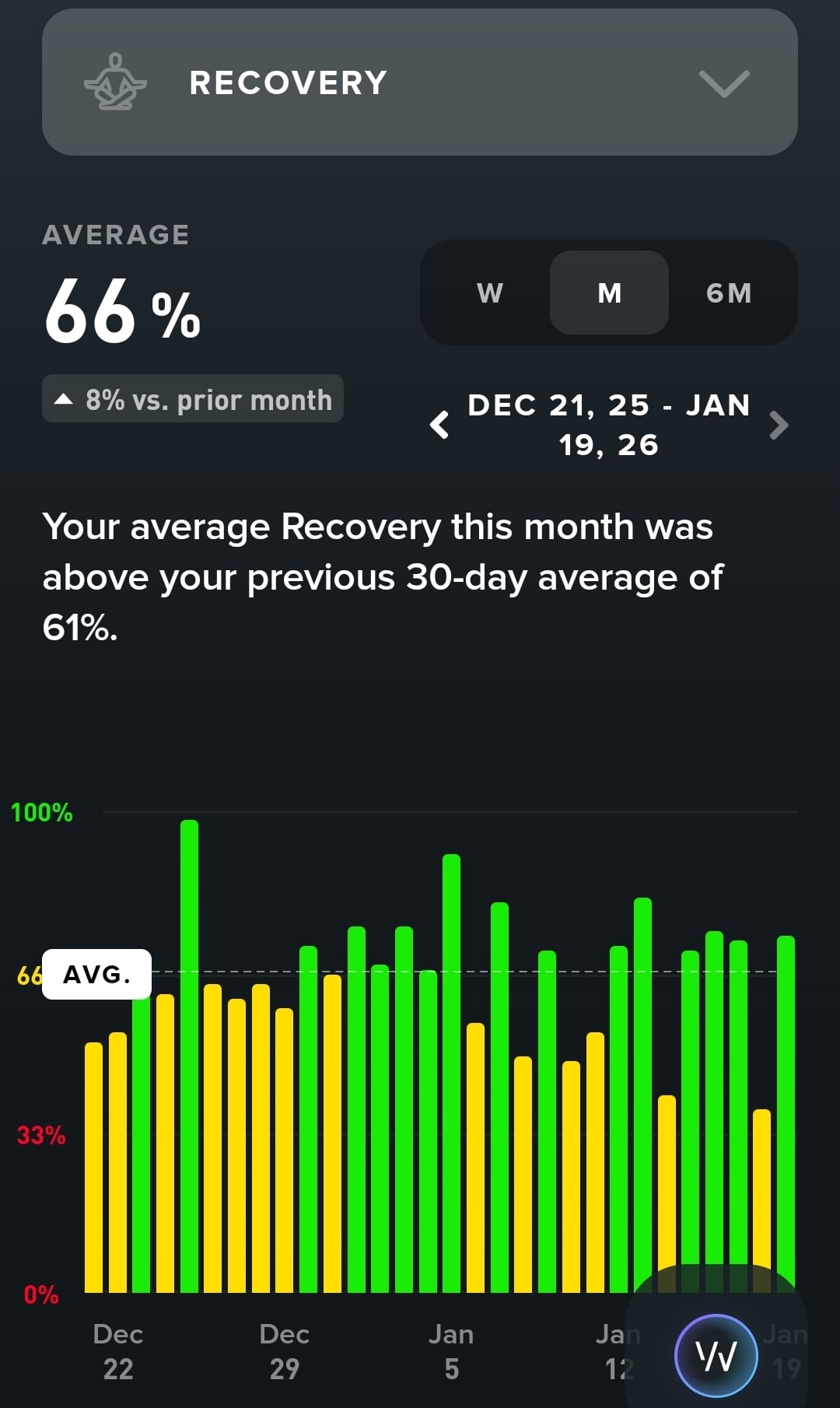
Even my WHOOP showed it clearly: my recovery could be good… but not captain-level.
So instead of pretending “everything is fine,” I ran a simple experiment. No philosophy. No drama.
30 short thoughts. One for each day of the month.
Every morning: one thought, one reflection, one journal entry.
And here’s the key: I didn’t do it alone.
I had an AI assistant beside me — as my Second Officer on board.

Not as the author. Not as an oracle.
As a sparring partner for thinking.
I answered a morning prompt — and the assistant often pushed back with hard follow-up questions.
Why did I do it?
I had two concrete goals:
A) One “golden day” per week
A day with exceptional clarity, energy, and ease of decision-making.
B) Recovery >90% as the standard
Not “sometimes.” Not “after vacation.” But consistently.
I am not quite there yet:
This isn’t a productivity story.
It’s a responsibility story: the Captain must be in shape — so he doesn’t mess up the helm for the company and the family.
The Exercise (simple and repeatable)
Every day:
I read one thought,
I wrote a short observation: what works / what doesn’t / what I change,
I shared it with AI to:
spot patterns,
catch recurring themes,
force clarity: what is fact vs. what is only a feeling.
The biggest difference?
AI doesn’t get tired. It doesn’t forget. It doesn’t have moods.
It can be a consistent mirror when a human is exhausted.
What did I pull out of those 30 days?
1) “Good on paper” doesn’t mean “good for me”
My morning routine looked textbook-healthy.
But still, 10/10 days were rare.
The conclusion was simple — and a bit painful:
Routine is not sacred. Results are.
If a system doesn’t deliver energy and clarity, it’s not a system — it’s a ritual.
2) Order matters more than discipline
I stopped asking “Do I train?” and started asking “When do I train?”
I moved training from early mornings to:
after work (or once a week at midday),
before a creative session,
before a meal and a walk.
Why? Because I noticed:
morning training can raise my cortisol and nervousness,
later training fits my real rhythm better,
after it my mind is calmer and creativity comes easier.
This is my favorite kind of insight: not ideology — day engineering.
3) “Technical recovery” isn’t enough without emotional recovery
WHOOP measures sleep, HRV, load.
But there’s something it doesn’t count directly:
the emotional weight of a day.
Throughout the exercise, the same themes returned:
creativity as safety,
relationships as reset,
calm as the precondition for sharp decisions.
For me, emotional recovery looks like:
sport, walking, meditation, silence,
time with Monika,
creating (the book with my son)
This isn’t a “nice extra.”
It’s part of the system that keeps my head upright.
4) “Good enough” is a yellow light — not failure
I’m a perfectionist. And perfectionism can steal time and joy.
A memory returned: years ago I had 45 minutes to paint, paint spilled, so I started adding more paint and it turned into a beautiful sky and ocean. I drew a sailboat and gave it to Monika for her birthday. The painting still hangs in our home.
If I had restarted — there would be nothing.
“Good enough” is the moment you move forward to finish the work.
In business, in writing, in life.
Don’t confuse quality with endless polishing.
5) AI doesn’t replace humans. AI gives time back to humans
The most concrete benefit of AI in my life and company isn’t “better text.”
It’s recovered time.
AI can:
draft emails from voice notes,
organize thoughts,
extract conclusions from messy notes,
turn observations into structure.
Which means:
less manual grind,
more space for decisions, strategy, creativity.
That’s why we’re deploying more AI “seats” inside the company.
Not to be “modern.”
But to give people more time for meaningful work — and less time for typing.
6) The best process improvement starts with improving the decision maker
The most important sentence I took from this month:
“I improve the source before I improve the process.”
The source is the person making decisions.
If the CEO is sleep-deprived, jittery, out of rhythm — the company feels it.
This is why the “golden day” and recovery targets aren’t vanity.
They’re responsibility.
What does this mean for my sons and younger founders?
If I had to tell the younger generation — my sons, people building their first company — one thing, it would be this:
You don’t win with the best plan.
You win with the best system of repeatable days.
Ambition is cheap.
Consistency is rare.
And AI?
AI can be your Second Officer — only if you keep the helm.
Don’t ask AI: “What should I do?”
Ask:
“What am I missing?”
“What patterns do you see in my days?”
“What is my repeatable mistake?”
“How can I simplify the system and get time back?”
AI doesn’t have life courage.
Courage is on your side.
Final note
This wasn’t a project about thoughts.
It was a project about my helm.
Those 30 morning thoughts weren’t a literary game.
They were a simple Captain’s training:
observation,
course correction,
repeatability,
energy recovery.
Next step: I’ll summarize what stays, what goes, what truly works — and then run another month.
Because the truth is simple:
Every day is a chance to change course by one degree.
And after a year — you may arrive in a completely different port.
Captain C 🚀
AI jako drugi oficer. 30 porannych myśli, które uporządkowały mój ster
🇬🇧 If you prefer to read in English — scroll above.
Nie szukałem „motywacji”.
Szukam systemu, który działa wtedy, kiedy jest ciężko.
Od półtora roku budujemy kolejne gałęzie Flexhouse. Równolegle piszę z synem książkę sci-fi. Jest rodzina, trening, decyzje, ludzie, projekty, ryzyko — życie i praca pełną parą.
I w pewnym momencie zauważyłem coś niepokojącego:
Miałem rutynę, sport, zdrowy styl życia, a jednak „złote dni” — te, w których myślenie jest 10/10, decyzje są czyste, a strategia układa się sama — zdarzały się zbyt rzadko.
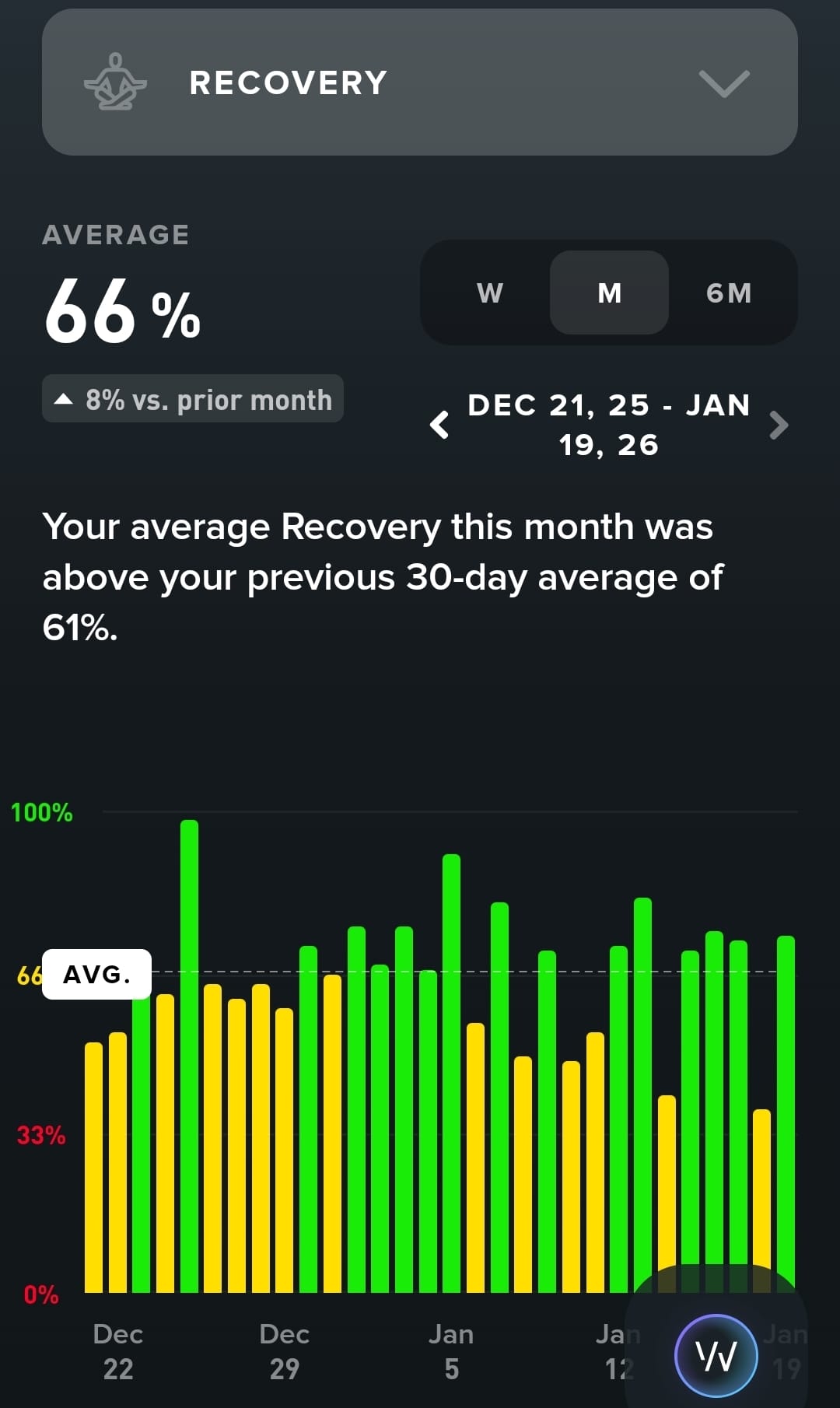
Do tego WHOOP pokazywał, że mój recovery (regeneracja) bywa dobry, ale nie „kapitański”.
Zamiast udawać, że „wszystko jest OK”, zrobiłem proste ćwiczenie. Bez filozofii. Bez dramatu.
30 krótkich myśli. Jedna na każdy dzień miesiąca.
Każdego ranka: jedna myśl, jedna refleksja, jeden zapis w dzienniku.
I co ważne: nie robiłem tego sam.
Miałem obok siebie asystenta AI — jako drugiego oficera na pokładzie.

Nie jako autora. Nie jako wyrocznię.
Jako sparing partnera do myślenia.
Ja odpowiadałem na poranne pytanie, a asystent często dopytywał — twardo, konkretnie, bez litości.
Po co mi to było?
Miałem dwa cele:
A) Jeden „złoty dzień” w tygodniu
Dzień wyjątkowo strategiczny: klarowność, energia, lekkość decyzji.
B) Recovery >90% jako standard
Nie „czasem”. Nie „po urlopie”. Tylko stabilnie.
Jeszcze nie jestem blisko celu:
To nie jest temat o produktywności.
To temat o odpowiedzialności: żeby Kapitan był w takiej formie, żeby nie psuł steru firmie i rodzinie.
Jak wyglądało ćwiczenie?
Każdego dnia:
czytałem jedną myśl,
dopisywałem krótką obserwację: co działa / co nie działa / co zmieniam,
wrzucałem to do AI, żeby:
pomogło mi zobaczyć wzorce,
wyłapało powtarzalne wątki,
zmusiło mnie do doprecyzowania, co jest faktem, a co tylko wrażeniem.
Największa różnica?
AI się nie męczy. Nie zapomina. Nie ma humorów.
Może być konsekwentnym lustrem wtedy, kiedy człowiek jest zmęczony.
Co wyłowiłem z tych 30 dni?
1) „Dobre na papierze” nie znaczy „dobre dla mnie”
Miałem poranną rutynę książkowo zdrową.
A jednak 10/10 dni były rzadkie.
Wniosek był prosty i trochę bolesny:
Rutyna nie jest święta. Święty jest rezultat.
Jeśli system nie daje energii i klarowności, to nie jest system — to jest rytuał.
2) Kolejność robi większą różnicę niż dyscyplina
Zacząłem grzebać w detalach: nie „czy trenuję”, tylko kiedy trenuję.
Przesunąłem trening z rana na:
po pracy (lub raz w tygodniu w południe),
przed sesją kreatywną,
przed posiłkiem i spacerem.
Dlaczego? Bo zauważyłem, że:
trening rano potrafi mi podnieść kortyzol i nerwowość,
trening w drugiej części dnia lepiej pasuje do mojego rytmu,
po nim mózg jest spokojniejszy i łatwiej wchodzi w kreatywną pracę.
To mój ulubiony typ wniosków: nie ideologia, tylko inżynieria dnia.
3) „Regeneracja techniczna” nie wystarcza bez regeneracji emocjonalnej
WHOOP pokazuje sen, tętno, obciążenie.
Ale jest coś, czego nie liczy wprost:
emocjonalny ciężar dnia.
W ćwiczeniu wracał wątek:
kreatywność jako bezpieczeństwo,
relacje jako reset,
spokój jako warunek ostrych decyzji.
U mnie to wygląda tak:
sport, spacer, medytacja, cisza,
czas z Moniką,
tworzenie (książka z synem).
To nie jest „miły dodatek”.
To jest element systemu, który trzyma głowę w pionie.
4) „Wystarczająco dobre” to żółte światło, nie porażka
Jestem perfekcjonistą — i widzę, że perfekcjonizm potrafi ukraść czas i zadowolenie.
Wraca mi historia obrazu sprzed lat: miałem 45 minut, rozlała się farba, wyszło piękne niebo i ocean. Dorysowałem żaglowiec i dałem Monice na urodziny. Ten obraz stoi do dziś w naszym domu.
Gdybym wtedy zaczął od nowa — nie byłoby nic.
„Wystarczająco dobre” to moment, kiedy idziesz dalej, żeby skończyć dzieło.
W biznesie, w pisaniu, w życiu.
Nie wolno mylić jakości z wiecznym dopieszczaniem.
5) AI nie zastępuje człowieka. AI odzyskuje człowiekowi czas
Najbardziej konkretna korzyść z AI w moim życiu i firmie to nie „mądrzejsze teksty”.
To odzyskany czas.
AI potrafi:
napisać maila z nagrywki,
uporządkować myśli,
wyciągnąć wnioski z chaosu notatek,
zrobić z obserwacji strukturę.
A to oznacza:
mniej ręcznej roboty,
więcej przestrzeni na decyzje, strategię, kreatywność.
To jest powód, dla którego kupiliśmy kolejne stanowiska AI w firmie.
Nie po to, żeby „być nowoczesnym”.
Po to, żeby ludzie mieli więcej czasu na wartościową pracę, a mniej na klepanie.
6) Najlepsze usprawnienie procesu zaczyna się od usprawnienia decision makera
Najważniejsze zdanie z tego ćwiczenia:
„Ulepszanie procesu zaczynam od ulepszania źródła.”
Źródłem jest człowiek podejmujący decyzje.
Jeśli CEO jest niewyspany, rozedrgany, bez rytmu — firma to czuje.
„Złoty dzień” i recovery >90% to nie fanaberia. To odpowiedzialność.
Co to znaczy dla moich synów i młodszych ludzi?
Gdybym miał powiedzieć jedną rzecz młodszemu pokoleniu — synom, ludziom budującym pierwszą firmę — powiedziałbym:
Nie wygrywa ten, kto ma najlepszy plan.
Wygrywa ten, kto ma najlepszy system powtarzalnych dni.
Ambicja jest tania.
Konsekwencja jest rzadka.
A AI?
AI może być Twoim drugim oficerem — ale tylko wtedy, gdy Ty trzymasz ster.
Nie pytaj AI: „co mam robić?”.
Pytaj:
„co mi umyka?”,
„jakie wzorce widzisz w moich dniach?”,
„co jest powtarzalnym błędem?”,
„jak uprościć system, żeby odzyskać czas?”.
AI nie ma życiowej odwagi.
Odwaga jest po Twojej stronie.
Puenta
To nie był projekt o myślach.
To był projekt o moim sterze.
Te 30 porannych myśli to nie była literacka zabawa.
To był prosty trening Kapitana:
obserwacja,
korekta kursu,
powtarzalność,
odzyskiwanie energii.
W kolejnym kroku zrobię podsumowanie: co zostaje, co odpada, co działa — i ruszam w kolejny miesiąc.
Bo prawda jest prosta:
Każdy dzień to szansa, żeby zmienić kurs o jeden stopień.
A po roku możesz być w zupełnie innym porcie.
Captain C 🚀